
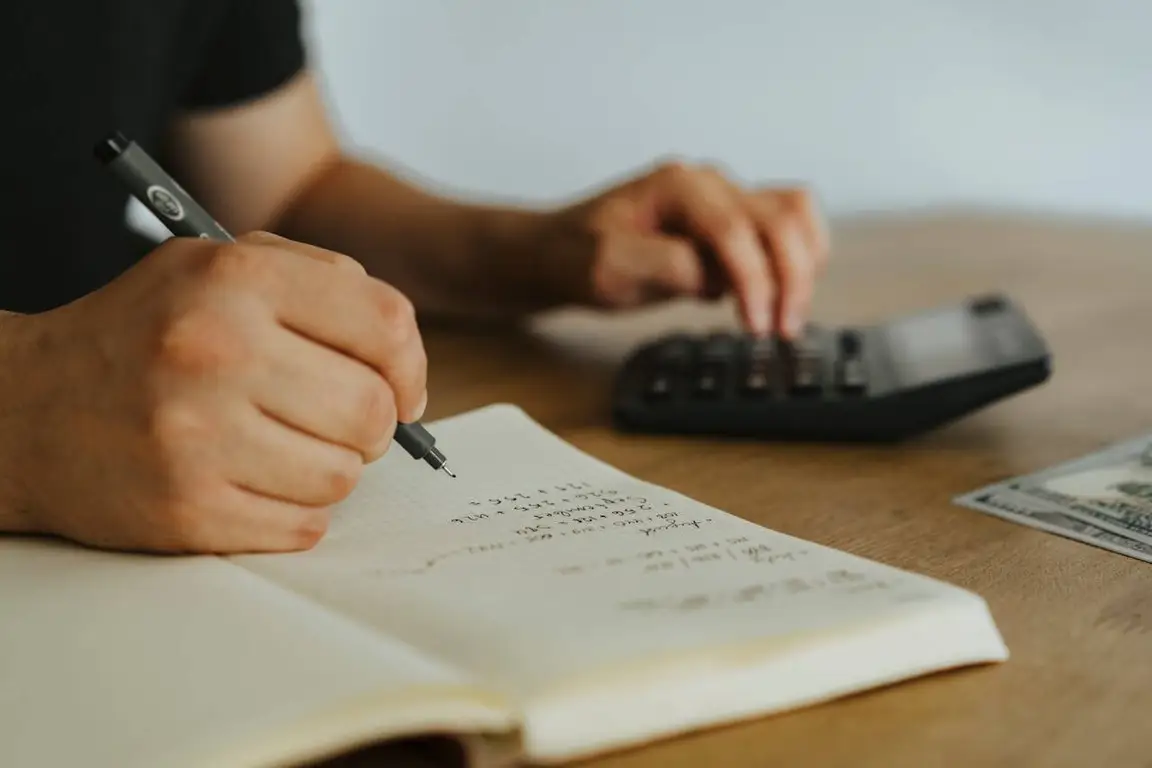
Many renters dream of finally owning a home, but saving the money for a down payment can be difficult. The “starter homes” many first-time homeowners used to be able to afford are now much more costly, with even small homes and homes in poor condition priced far higher than they would have been decades ago. However, with the right strategies, patience, and discipline, owning a home can still be an attainable goal.
Here are some practical tips to help you save for a down payment on your first home:
- Figure out your finances
To get where you want to be, you have to know where you are first. Take a close look at your income and your usual monthly expenses and make a list or a spreadsheet laying all of it out. I highly recommend using a program like Google Sheets, which can help you with math later on.
You might be surprised by what you find at this step! Studies have shown that paying for goods and services with physical/paper money actually creates a pain-like response in our minds, and that the pain of that “loss” is pretty much removed when we pay with our credit or debit cards instead, making it so much easier to overspend these days.
Once you have everything written out, identify which of your expenses are essentials (i.e. rent, utilities, and food) or non-essentials (i.e. subscriptions, entertainment, and dining out). This will give you an idea of areas where you could start cutting back.
But remember: be realistic. You know yourself best. If you need a night out now and then or if watching Netflix is an important part of your ability to unwind after a stressful day, you don’t have to cut that out just because it’s a “non-essential.” Just make sure to calculate your monthly budget accordingly.
Now that you have a clear outline of expenses, you can identify your savings potential and Set a realistic Savings Goal to keep you on track.
Finally, figure out how much you’ll need for a down payment by looking at real homes that are about the size you want and in an area you want to live in. Sites like Zillow can give you a good estimate of how much these homes typically cost, and compare similar homes in a neighborhood for price comparison.
Now, it’s Math time. A down payment is usually around 20% of the home’s purchase price (though, this can vary). You can use an online calculator to figure out an estimated down payment and set your savings goal.
Here’s an example:
Let’s pretend a house is $100K and, after looking through all your finances, you’ve determined you can safely save about $500/month. You’ll need about $20K for the down payment (20% of $100K). Assuming you’re starting from zero, that will take about 40 months (20K divided by 500) to save up, or just a little over 3 years.
Now, some Good News and Bad News… (I always like to hear the bad news first).
Bad News: There are more costs than just the down payment to factor in: things like closing fees, realtor fees, and moving expenses. And you probably want to have something left in your bank account when it’s all over, both for emergencies and to address whatever expensive surprises might pop up when you move into your new home, like bad plumbing or a leaky roof.
Good News: There are plenty of financial assistance programs for first-time homebuyers, including grants, low-interest loans, and tax incentives. Understanding which of these resources could work for you can greatly reduce the amount you need to save out of pocket. Research what’s available to you through local, state, and national programs and check to see if you qualify for assistance.
- Look for Little Ways to Increase Your Income
If you want to hit your savings goal faster, there may be ways to add to your monthly income.
One way to increase your income is to look for side hustles or freelancing opportunities in your area of expertise, like writing, graphic design, or consulting. You could also try driving for rideshare services, like Uber or Lyft, or making deliveries for services like Instacart.
Any side hustle is going to take more time out of your day and, on top of another job, can be pretty exhausting. It’s important to consider what you’re going to be able to do and, realistically, how long you can sustain it. You know yourself and your limits best.
You can also look at selling any of your unused items online to generate some extra cash. eBay, Craigslist, and Facebook Marketplace make it easy to sell just about anything these days, and decluttering your space also prepares you for the eventual move. Win-win!
If you’re feeling bold, you could also try asking for a raise. Ask for a meeting with your manager and come prepared: identify what you achieved and contributed last year and the value you’ll bring to the company in the years to come, and research industry standards for salary increases. Just be ready to negotiate! Investing in professional development can help at these negotiations, so consider taking an online course, earning certifications, or attending workshops to improve your skills.
- Start Saving!
You’ve set your savings goal. Now is the hard part: sticking to it! It can be hard to adjust, at first, but really keep your eye on the prize to stay motivated.
If you do get some extra income along the way, like a gift from a family member or a big tax refund, these can provide a nice boost toward your savings goal. Instead of spending that extra income on the non-essentials, you can apply them to your savings goal to cut down the amount of time you need to reach your goal.
Some of us need a little extra motivation along the way, though, and that’s okay! If you reach a certain amount, don’t feel bad for celebrating your small victories, like hitting a savings goal or cutting an expense. Gift yourself a special treat, a day out, or a small purchase you’ve been wanting. Nothing expensive that will undo the work you’ve done, but just enough to stay motivated to hit your next target.
Conclusion
Saving up for a down payment on a home may seem overwhelming, but with disciplined saving and planning, it is well within your reach and we believe you can turn your dream of homeownership into reality. You’ve got this!